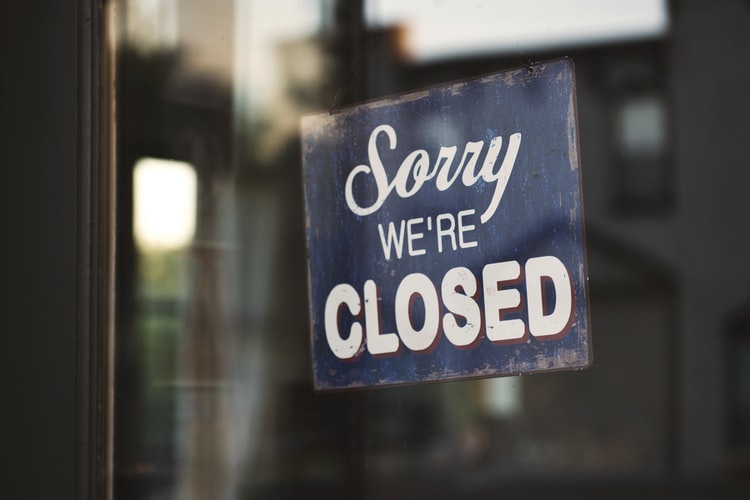
Latest information from Government (updated 5 November) has been released listing in more detail essential businesses who can remain open, including guidance on mixed retail as well as those required to close.
Businesses permitted to remain open
Essential businesses
The following businesses and venues that provide goods for sale or hire are permitted to remain open, including if they operate from an outdoor market stall, or at a defined concession within a shopping centre:
- Food retailers, including food markets, supermarkets, convenience stores and corner shops. This also includes fresh food retailers (such as butchers, bakers, greengrocers, fishmongers, and delicatessens)
- Off licenses and licensed shops selling alcohol
- Pharmacies (including non-dispensing pharmacies) and chemists
- Newsagents
- Hardware (such as tools, builders’ hardware, paint and glass) stores, building merchants and building services
- Petrol stations, car repair shops, bicycle shops and MOT services. Other vehicle repair can also go ahead at these venues.
- Car parks and motorway service areas
- Taxi or vehicle hire businesses
- Banks, building societies, credit unions, short term loan providers, savings clubs, cash points and undertakings which by way of business operate currency exchange offices, transmit money (or any representation of money) by any means or cash cheques which are made payable to customers
- Post offices
- Funeral directors
- Laundrettes and dry cleaners
- Dental services, opticians, audiology services, chiropody, chiropractors, osteopaths and other medical or health services, including services relating to mental health
- Veterinary surgeons, animal rescue centres, boarding facilities and pet shops. Animal grooming facilities may also stay open but must only be used for the purposes of the animal’s welfare (and not for aesthetic purposes).
- Garden centres and agricultural supplies shops. This does not include florists.
- Storage and distribution facilities, including delivery drop off or collection points, where the facilities are in the premises of a business allowed to remain open. For example, you can return an order to a drop box in a supermarket or drop it off for collection in a newsagents. Deliveries of supplies can also go ahead for premises that are otherwise required to close by law.
Businesses that provide services (rather than goods) – such as accountants, solicitors, and estate agents – are not required to close, unless listed in section 2 below (Businesses subject to restrictions). These businesses should take steps to ensure they are COVID-19 Secure including, where possible, providing services remotely or virtually.
Guidance on mixed retail
- A business selling a significant amount of essential retail may also continue to sell goods typically sold at non-essential retail. For example, a supermarket that sells food is not required to close off or cordon off aisles selling homeware.
- Where a business selling essential retail has another, separate business embedded within it that is required to close, the embedded business must close. For example, an electronics business operating a concession within a supermarket must close, as would a bookshop business inside a garden centre.
- Where a business has sufficiently distinct parts, and one section provides essential retail and one section provides non-essential retail, the non-essential sections should close to limit interactions between customers and the opportunity for the disease to spread. Sufficiently distinct sections might involve operating in separate buildings, across separate floors, a door between sections, using separate cashiers, or another clear demarcation between sections. For example a food shop may stay open, but a homeware section on a separate floor or separate building should close.
The following businesses are subject to restrictions or closure
Retail
Any business or venue that provides goods for sale or hire and is not listed above must close (other than where there is an explicit exemption for a specific purpose, as set out below). They may continue offering delivery and click-and-collect services (where items are pre-ordered and collected without entering the premises). People can also leave home to collect or return orders from these businesses.
These closures include, but are not limited to, the following premises:
- Clothing stores and tailors
- homeware stores
- tobacco and vape shops
- electronic goods and mobile phone shops
- charity shops
- photography studios and antique stores
- Markets (except livestock markets or stalls which fall under the list of essential businesses above, for example those selling food or hardware)
- Car and other vehicle showrooms and other premises, including outdoor areas, used for the sale or hire of caravans, boats or any vehicle which can be propelled by mechanical means. However taxi or vehicle hire businesses can continue. For example a customer could order a rental vehicle online and collect it in person.
- Car washes.
- Auction houses (except for auctions of livestock or agricultural equipment).
All premises, whether or not required to close, can be accessed by the site owners or managers, staff or people authorised by them for the purpose of maintenance, repairs or other work to ensure readiness to reopen at a point where this is permitted, such as receiving deliveries of supplies.
The premises required to close above can be opened for the purposes of making a film, television programme, audio programme or audio-visual advertisement.
Hospitality
The following hospitality venues are required to close for consumption on the premises.
- Restaurants; pubs; bars, including those in hotels or members’ clubs; social clubs
- Cafes and canteens, including workplace canteens where there is no reasonable alternative
These businesses can continue to provide:
- Food and non-alcoholic drinks on a takeaway basis between 5am and 10pm. This means that customers can enter the premises to place and collect their order. Food and non-alcoholic drinks can also be sold for delivery where orders are made online, by telephone or by post, and via click and collect; and drive through;
- Food and drinks for delivery, via click and collect and drive through only between 10pm and 5am. Click-and-collect and delivery services can only operate where goods are pre-ordered (by phone, online, via a mobile app or by post) and collected without entering the premises
- Alcohol for consumption off the premises for delivery, click and collect and drive through. As above, this means it must be pre-ordered (by phone, online, via a mobile app or by post) and must be collected without entering the premises. Venues offering click-and-collect or delivery services must not include alcoholic beverages if their license does not already permit.
Planning regulation has been changed to enable restaurants, cafes and pubs which have not previously offered delivery and hot food takeaway to be able to do so.
Hospitality venues providing food and drink for consumption off the premises are not permitted to allow customers to consume from any adjacent seating to the premises (with the exception of motorway service areas, airports, seaports, and the international terminal at Folkestone).
Room service in hotels and other guest accommodation continues to be permitted as long as it is ordered by phone or online.
Cafes or canteens may remain open in:
- a hospital, care home or school, or provider of post-16 education or training
- criminal justice accommodation
- naval/military/air force or MoD facilities
Services providing food and/or drink to people experiencing homelessness can also remain open.
Accommodation
Holiday accommodation must close. This includes hotels, hostels, bed and breakfast accommodation, holiday apartments, home, cottages or bungalows, campsites, caravan parks or boarding houses, canal boats or any other vessel unless the exemptions set out in law apply.
You can only carry on your business and keep your premises open in order to provide accommodation for people who:
- Are unable to return home, or use the accommodation as their main residence;
- Need accommodation to move to a new house, attend a funeral, or self-isolate as required by law
- Need accommodation for the purposes of their work or to provide voluntary services, or children who need accommodation for school or care
- Are elite athletes, their coach or (in the case of an elite athlete who is a child), the parent of an elite athlete, and need accommodation for the purposes of training or competition
- Are currently in that accommodation at the time when national restrictions come into force. At the time that restrictions are brought in, if people are currently on holiday and it is not reasonable for them to curtail their stay, they should finish their holiday as planned. People should return home as soon as practical and comply with the ‘stay at home’ requirements whilst in holiday accommodation in the meantime.
- Are visiting from abroad on holiday or for work purposes
- Are being provided accommodation to relieve or support those who are experiencing homelessness, or as a women’s or vulnerable person’s refuge.
- Accommodation providers may keep their business open to host blood donation sessions, or for any purpose requested by a Secretary of State, or local authority.
- Accommodation facilities required to close can be opened for the purposes of making a film, television programme, audio programme, or audio-visual advertisement.
Personal Care facilities and close contact services
- Facilities including hair, beauty and nail salons, tattoo parlours, spas, massage centres, body and skin piercing services, and tanning salons must all close, but can continue to sell retail goods (such as shampoo or beauty products) online or via click-and-collect.
- Those who provide personal care services from a mobile setting including their own home, in other people’s homes and in retail environments (such as a concession in a larger, separate business) must also stop operating.
- Non medical acupuncture and other cosmetic services should not go ahead, but personal care services where required for medical reasons or prescribed by a qualified practitioner may continue. For example, massage prescribed for pain relief or for sports injuries, or cosmetic services for burn victims or those associated with cancer treatment. The guidance on safer working in the Close Contact Services should be followed (include link to guidance). Where applicable, practitioners should also take into account any guidance issued by the healthcare regulators or a relevant professional body.
- Studying hair and beauty in vocational training environments may continue. This can include the use of other students from the cohort as models.
- Those providing their services in a professional capacity as part of those sectors that remain open can continue to operate. For example, make-up artists in film and TV production, and on fashion shoots. However, these services cannot be carried out in premises required to close.
- The premises required to close above can be opened for the purposes of making a film, television programme, audio programme or audio-visual advertisement.
Entertainment and tourism
The following businesses and venues must close:
- Nightclubs, dance halls, and discotheques
- Bingo halls, casinos, betting shops, amusement arcades and adult gaming centres.
- Bowling alleys
- indoor games, recreation and entertainment venues (such as escape rooms and laser quest), go-karting
- Sexual entertainment venues and hostess bars
- Cinemas, theatres, concert halls, and other music venues (whether outdoors or indoors). Theatres and concert halls can continue to be used for training, rehearsals, and performances without an audience for broadcast or recording purposes.
- Museums and galleries
- Model villages and visitor attractions at film studios,
- Circuses, funfairs and fairgrounds (whether outdoors or indoors), theme parks and adventure playgrounds, parks and activities.
- Aquariums, zoos, safari parks, farms, wildlife centres and any place where animals are exhibited to the public as an attraction.
- Indoor attractions at visitor attractions such as botanical or other gardens, biomes or greenhouses; stately or historic homes, castles or other heritage sites; landmarks, including observation wheels or viewing platforms; sculpture parks. The outdoor elements of these attractions can remain open, such as the gardens at a stately home.
- Conference centres and exhibition halls for the purposes of private dining and banquets, conference, exhibitions or trade shows must also close. Events that are only attended by employees of the business are able to continue.
- The premises required to close above can be opened for the purposes of making a film, television programme, audio programme or audio-visual advertisement.
Leisure
The following businesses and venues must close:
- Skating rinks
- Leisure and sports facilities including:
- dance studios and fitness studios,
- gyms,
- sports courts,
- swimming pools, water sports venues, water parks and aqua parks,
- golf courses and driving ranges, shooting and archery venues
- indoor playgrounds or play areas, including soft play centres and areas, trampolining centres
Schools and colleges can continue to use gyms, fitness studios, swimming pools, sports courts and other indoor leisure centres. Indoor gyms, fitness studios, indoor sports facilities and leisure centres can be used for supervised activities for children.
Elite sportspersons can use facilities such as stables, indoor gyms, fitness studios and other indoor or outdoor sports facilities for training or competition.
Professional dancers and choreographers can use indoor fitness and dance studios.
Personal trainers can conduct lessons but these should be one-to-one and take place in an outdoor public space, such as a park, rather than in private homes or gardens.
The premises required to close above can be opened for the purposes of making a film, television programme, audio programme or audio-visual advertisement.
To read the full information click here